Source Rockwool Cubes for Greenhouse, Hydroponics, and Insulation
Find 30 rockwool cubes options for hydroponics, building insulation, and agricultural use. Compare Grade A basalt rock wool cubes with densities from 60-100 kg/m3, available in various sizes and customizable packaging from China suppliers; compare the available evidence and request quotations based on your requirements.
Key considerations
Products List




Comprehensive Sourcing Guide
Rockwool Cubes Sourcing Guide
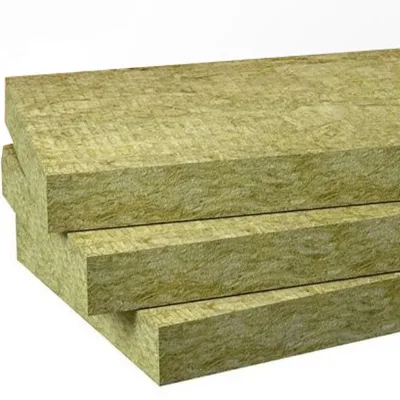
Buyers must first distinguish between construction-grade insulation and agricultural-grade substrates, as the supplied data reveals a dual-market presence for these mineral wool products. While some listings specify a density of 60 to 100 kg/m³ suitable for building insulation, others highlight a pH value between 6 and 8, which is critical for seed growing and hydroponic applications. This divergence requires immediate clarification of the intended end-use to ensure the selected material meets the specific physical and chemical requirements of the project.
Procurement teams should also scrutinize the listed dimensions and packaging formats, as the observed data includes everything from 4mm to 30mm diameters and cubic sizes ranging from 4cm to 15cm. The availability of custom logos and varied packing options like carton boxes or customized pallets indicates a flexible supply chain, yet these variables directly impact logistics costs and on-site handling efficiency. Verifying the exact size standard against the supplier's catalog is essential before finalizing any purchase order to avoid mismatches in installation or planting systems.
Product Scope and Observed Listing Signals
The market signals indicate a strong presence of rock wool cubes originating from major manufacturing hubs in Shandong, Hebei, and Tianjin, China, with shipping times typically ranging from 7 to 30 days. Buyers should note that while some products are described as having a glossy surface finish and square edges, others are explicitly marketed for horticultural use with water absorption rates exceeding 600%. This variation suggests that surface treatments and structural integrity differ significantly between insulation panels and growing substrates, necessitating a clear definition of the product type during the inquiry phase.
Listing observations also reveal a wide range of minimum order quantities, from single units up to 3000 pieces, which allows for both trial orders and bulk procurement strategies. The presence of specific model names like "Perfect" or "BD" alongside generic terms such as "mineral wool" suggests that suppliers may use proprietary naming conventions that do not always align with industry-standard classifications. Buyers must therefore request detailed technical datasheets to confirm that the specific model number corresponds to the required density, thickness, and application suitability for their specific operational needs.
Technical Specifications to Verify
Verification of density is paramount, as the observed data lists standards ranging from 60 to 100 kg/m³, which directly influences the material's structural stability and thermal performance. For construction applications, the thickness specifications observed between 25mm and 75mm, or even up to 15cm, must align with local building codes and insulation requirements. Buyers should explicitly confirm the density grade, as a mismatch can lead to inadequate thermal resistance or excessive weight that compromises the structural integrity of the installation.
In agricultural contexts, the pH value and water retention capabilities are the primary technical metrics that determine crop success, with observed ranges indicating a neutral pH of 6 to 8 and absorption rates over 600%. The physical dimensions, including widths from 3mm to 20mm and lengths up to 100mm, must be precise to ensure proper root development and nutrient delivery in hydroponic systems. Procurement teams must validate that the supplier's stated dimensions match the actual product delivered, as deviations in cube size can disrupt automated planting machinery and reduce overall yield efficiency.
Compliance and Safety Documentation
Safety documentation for rock wool products must address the handling of mineral fibers, which can cause skin and respiratory irritation if not managed correctly. Buyers should request Material Safety Data Sheets (MSDS) that detail the specific composition of the basalt rock wool and provide clear guidelines for personal protective equipment during installation. While the supplied facts do not list specific certifications, the presence of Grade A material suggests a baseline quality, yet formal compliance with international safety standards for insulation and agricultural substrates remains a critical verification step.
For construction projects, compliance with local fire safety and thermal insulation standards is mandatory, often requiring proof of refractory temperature ratings and fire resistance classifications. The observed refractory temperature of 450 degrees Celsius provides a baseline, but buyers must confirm if the product meets specific regional fire codes for external wall insulation or roof applications. Additionally, for hydroponic use, documentation verifying the absence of harmful contaminants and the stability of the pH balance over time is essential to ensure the safety of the food chain and the health of the plants.
Cost Drivers and Commercial Terms
The cost of rock wool cubes is heavily influenced by the raw material grade, with Grade A basalt rock wool commanding a premium over lower-quality alternatives. Buyers should analyze how the density and thickness specifications impact the unit price, as higher density materials require more raw material and energy to produce, leading to increased costs. The observed price range of 0.01 to 78 USD suggests significant variability based on size, packaging, and order volume, making it crucial to compare unit costs rather than total order values when evaluating supplier quotes.
Commercial terms such as the loading port, shipping time, and packaging method also play a significant role in the total landed cost. With Tianjin Port listed as a common loading point and shipping times varying from 7 to 30 days, logistics planning must account for potential delays and freight fluctuations. The availability of customized packaging and pallets can reduce damage during transit but may add to the initial unit cost, requiring a cost-benefit analysis to determine if the added expense justifies the reduction in waste and handling time.
Supplier Qualification and Quality Control
Supplier qualification should begin with verifying the place of origin, as the data points to specific manufacturing regions like Shandong, Hebei, and Tianjin, which are known for their mineral wool production capabilities. Buyers must assess the supplier's capacity to maintain consistent quality across different batches, particularly given the variation in observed specifications such as size and density. Requesting samples from different production runs is a practical step to ensure that the product consistently meets the stated standards for pH, absorption, and physical dimensions.
Quality control protocols must include a rigorous inspection of the surface finish and edge quality, as the observed glossy finish and square edges indicate a specific manufacturing process that affects usability. For agricultural applications, testing the water absorption rate and pH stability is essential to confirm that the substrate performs as expected in a real-world growing environment. Buyers should establish clear acceptance criteria and rejection thresholds in their contracts to ensure that any deviation from the agreed-upon specifications results in immediate remediation or replacement.
Long-Term Procurement Checks
Establishing a long-term relationship with a supplier requires regular audits of their production consistency and adherence to the agreed-upon technical specifications. Buyers should implement a schedule for periodic testing of incoming shipments to verify that the density, pH value, and water absorption rates remain within the acceptable ranges defined at the start of the contract. This proactive approach helps identify any drift in manufacturing quality before it impacts the end-user's operations, whether in construction or agriculture.
Supply chain resilience is another critical factor, as the observed lead times and shipping times can fluctuate based on global logistics conditions and raw material availability. Buyers should develop contingency plans that include alternative suppliers or buffer stock strategies to mitigate the risk of delays, especially for critical projects where rock wool cubes are a bottleneck. Regular communication with the supplier regarding production schedules and potential disruptions ensures that procurement teams can adapt quickly to changing market conditions and maintain a steady flow of materials.
FAQs
What are the standard sizes for rockwool cubes?
Rockwool cubes are available in various dimensions including 4x4x4cm, 5x5x5cm, and 10x10x10cm. Custom sizes ranging from 5x5x5cm to 15x15x15cm are also offered. These dimensions support different hydroponic and agricultural applications, ensuring flexibility for diverse planting needs and substrate requirements.
Can rockwool cubes be customized for branding?
Yes, customization is available for rockwool cubes. Buyers can request customized logos and packaging options. The products are typically packed in carton boxes, but customized packaging solutions can be arranged to meet specific branding or logistical requirements for international shipping and retail presentation.
What is the pH value of rockwool cubes?
The pH value of these rockwool cubes ranges from 6 to 8. This neutral to slightly alkaline range is ideal for seed germination and plant growth. It helps maintain optimal nutrient availability for hydroponic systems, ensuring healthy root development without requiring extensive pre-soaking adjustments.
How long is the shipping time for rockwool cubes?
The shipping time for rockwool cubes typically ranges from 7 to 30 days. This duration depends on the order quantity and destination. Products originate from locations like Shandong and Hebei in China, with loading ports such as Tianjin Port facilitating efficient global distribution for buyers.
What is the density range of rockwool cubes?
Rockwool cubes are available in densities of 60, 80, and 100 kg/m3. This standard range ensures consistent structural integrity and water retention. The density affects air-to-water ratio, allowing growers to select the optimal substrate for specific crops, from delicate seedlings to mature plants.
Are rockwool cubes suitable for building insulation?
Yes, rockwool cubes can be used for building insulation, including external walls and roofs. They are classified as Grade A refractory materials with a temperature resistance up to 450 degrees. This makes them versatile for both horticultural applications and construction projects requiring fire-resistant thermal insulation.